
Most bettors spend endless hours dissecting team stats, injury reports, and head-to-head history, obsessively focused on the who. They completely ignore the when. This is a massive blind spot. Consider a scenario where a sharp line movement on an NBA game wiped two points off the spread just before tip-off—a bet placed an hour earlier cashed easily, while the same wager placed ten minutes before game time lost by a single point. Contrast that with a poorly-timed bet on a weekend match that got hammered by public action, killing the value entirely. This isn’t about superstition or lucky rituals; it’s about understanding the mechanics of the market. We’re going to break down the specific windows—based on market activity, liquidity shifts, and sharp money patterns—that turn timing from a vague guess into a concrete, repeatable strategy for finding an edge.
The Myth of the ‘Lucky Hour’: Why Most Bettors Get It Wrong
Let’s be honest—most people treat betting like a coin flip wrapped in superstition. They swear by the “lucky hour” (9:42 PM, why not?), a gut feeling on a Tuesday afternoon, or that the night games always hit. It’s all noise. The real money isn’t made on hunches or magical clock ticks. It’s made on line value and closing line value (CLV)—your ability to grab a price that’s better than where the market eventually lands. Think of CLV as the true scorecard: if your bet’s closing line is better than when you placed it, you’re winning the long game. Bookmakers don’t care about your lucky chair—they adjust lines based on two forces: sharp money (smart, bettors) and public money (the emotional herd). So when you chase a line after it’s already moved two points because the public hammered the favorite? You’re buying the hype, not the value. Case in point: take a major NFL game—say, Chiefs vs. Bills. The opening line Monday might be Chiefs -1.5. Smart money hits it. By Sunday, after public money floods in on the Bills (because they’re fun to watch), the line shifts to Bills -3.5. Two whole points. The ideal moment? Right at the open, or right when sharp money has settled and the public hasn’t woken up yet. There is no lucky hour—only information advantage.
Understanding the Line as a Living Thing
A sportsbook line isn’t carved in stone—it’s alive, twitching like a stock ticker. Opening lines are the first breath, set by oddsmakers to attract sharp bettors (the guys who treat this like a job). Then the public piles on, shifting the line toward emotion. Your goal? Be the sharp in your own niche. Track the opening line for three games this week—any sport. Watch how it moves from Monday kickoff to game time. You’ll see the market efficiency in action: value fades fast. That little habit? It’s the single smartest time investment you can make.
The Golden Window: When to Bet for Maximum Line Value
The entire sports betting market moves in predictable waves. Understanding those waves—specifically, the two prime windows—separates the casual punter from the sharp operator. Betting early is about trusting your own analysis before the public catches on. Betting late is about waiting for critical information that the market hasn’t fully digested yet. The worst place to be? Stuck in the dead zone between those windows, where noise drowns out value.
Think of it as a simple decision tree. If you have a rock-solid model and you’ve already done the homework—say, you know a team’s offensive line is overrated or a quarterback is nursing a bad hamstring—then bet early. Tuesday morning for NFL Sunday games, or right when Thursday night lines drop. You grab the opening number before the market reacts. If, however, you need specific data—like whether a star player will suit up or what the weather actually looks like—then you wait. But you wait with a stopwatch.
Here’s a real-world example: a few seasons back, a key NBA player’s prop line for points opened at 22.5. Pre-game shootaround reports leaked 45 minutes before tip-off that he looked explosive, was hitting everything, and his matchup was weak. The line still sat at 22.5. That was the late window—pure gold. A bettor who pounced 30 minutes before tip-off watched the line climb to 24.5 by game time, locking in a massive edge. But don’t get cute. Betting “in between” windows—like late Wednesday for an NBA game that hasn’t had any news break yet—just exposes you to random line movement without any advantage.
The Early Bet: Capitalizing on Sharp Analysis
Major sports like NFL, CFB, and NBA concentrate sharp action in predictable patterns. Open a standard +3.5 underdog early in the week, and by game day that line often shrinks to +1.5 or +2.5 as sharp money pours in. The early bettor who snagged the +3.5 has already won half the battle. The trick is to shop multiple sportsbooks—some post soft opening lines, others react slower—so you can grab the best number before the market corrects itself. This is pure value hunting, no guesswork.
The Late Bet: Leveraging Breaking Information
Injury news, weather forecasts, and lineup changes turn betting lines upside down. NFL, MLB, and soccer are prime candidates because one gust of wind or a scratched starter can rewrite the game script. Imagine a sudden rain forecast for an NFL Sunday—the over/under might drop by several points. A patient bettor who waits to see that rain report can grab the over at a higher number before the sportsbook adjusts downward. Same goes for a star receiver ruled questionable then active. The late window is about precision timing: hit it when the news breaks but before the line fully reprices.

Sport-Specific Timing Strategies
Timing isn’t a one-size-fits-all play. The sharpest edge comes from knowing how each sport’s unique scheduling, injury cycles, and public money affect line movement. Here’s the breakdown across major leagues, from the gridiron to the grass court.
NFL & College Football: The King of Early Betting
In football, the public bets heavy on favorites and overs all week. That creates a sweet spot early—think Tuesday or Tuesday night—when sharp money first hits the board. A college +7 underdog can shift to +4.5 by Saturday. That’s a massive value swing you cannot find later. Bet before the casual crowd piles in, and you lock in the number before the bias crushes it.
NBA & MLB: The Information Game
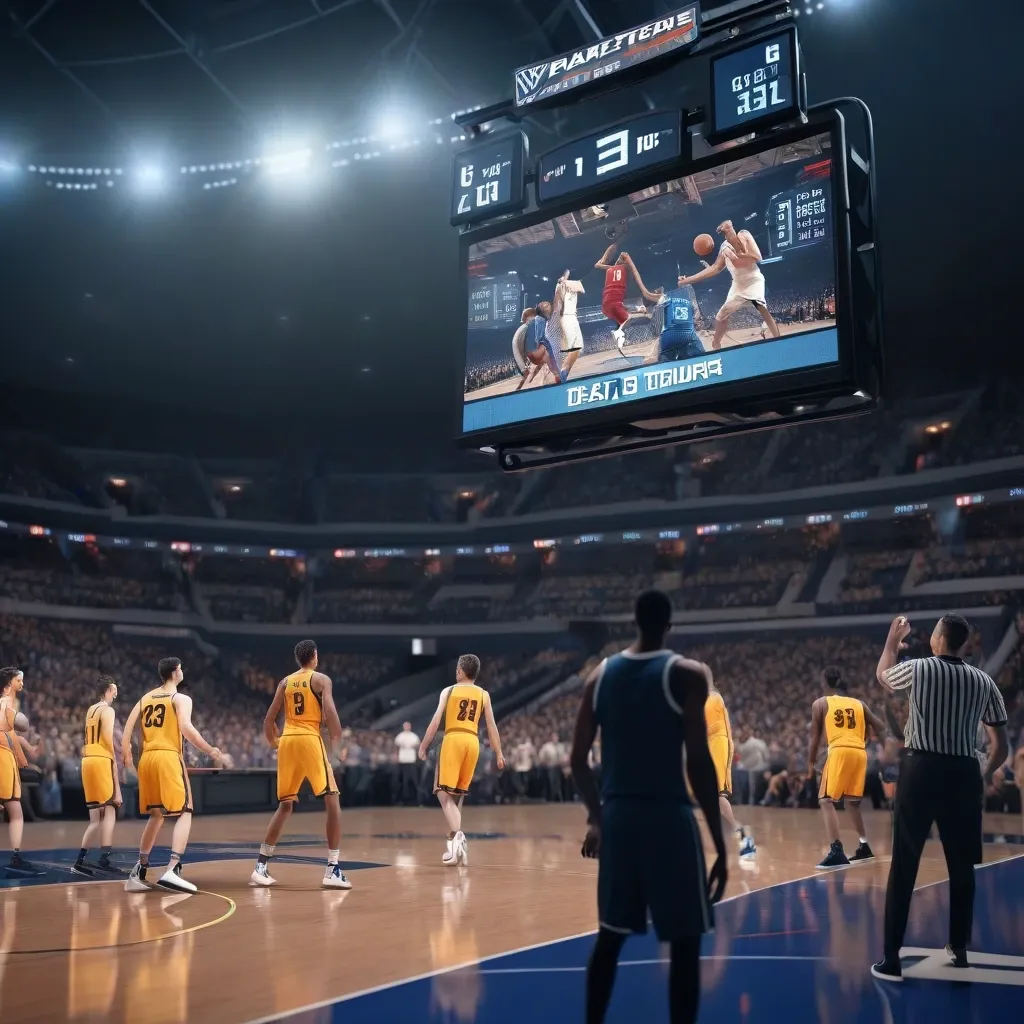
Basketball and baseball are all about late-breaking news. Load management in the NBA is a nightmare for early bettors. A star sitting a back-to-back can shift the spread by five to seven points. Bet close to game time—ideally one hour before tip—to catch the latest injury report. For MLB, the starting pitcher announcement and lineup card are everything. Wait until those hit, then pounce. Betting early here is like gambling blind.
Soccer & Tennis: The Draw and Form Dependent
Soccer odds move on player props and squad rotations, but bookmakers are sharp early. Instead, exploit late line shifts on fatigue or weather. Tennis betting thrives right after a tournament draw releases. Surface changes—clay to grass—or a player’s travel load can be gold for the late bettor. For both sports, avoid live betting during major events; lines get choppy and value vanishes.
Pro tip: For non-live betting, steer clear of placing wagers during major live-game events. Lines become erratic, and real value is nearly impossible to pin down when the action is on.
Live Betting: The Ultimate Real-Time Opportunity
Live betting flips the script on traditional timing rules. It’s not about pre-game analysis—it’s about reading the game as it unfolds. This is an advanced technique, one that separates casual bettors from those who actually cash out. The core principle of finding value? It becomes even more critical when the clock is ticking and odds shift every possession.
Picture this: a basketball team down by 15 at halftime. Your pre-game research said they were the better squad, with favorable matchups and a deep bench. The live line reacts—massive underdog now. You know the truth: that first half was an anomaly, fueled by unsustainable shooting from the opponent. You place the bet. They claw back, win the second half, and you secure the payout.
Look for specific triggers. When a team hits eight three-pointers in the first quarter—that’s a red flag. Bet against them after that. The market overreacts to momentum, but you need to stay cold. Don’t bet when you’re emotional or without a clear strategy. And always time your live bets during breaks—timeouts, quarter breaks, halftime stoppages. That’s when lines stabilize and you get the clearest access to value.
Capitalizing on Market Overreaction
In soccer, a quick goal for the underdog sends the live line into a frenzy. But if that goal was a fluke—say, a lucky deflection off a defender—watch for the next ten minutes. The stronger team is now undervalued. That’s your window. You don’t bet on the moment; you bet on the team’s true skill level returning to the mean.
Tools, Habits, and the Final Clock: Your Personal Timing System
You’ve read the theory—now lock it down with a system that actually works. Here’s my personal setup: every Sunday morning, I open an odds comparison tool (OddsJam is my go‑to for live line movement) and scan the opening lines for next week’s NFL games. I drop calendar alerts exactly one hour before tip‑off for every NBA game I’m tracking—no exceptions. The habit stack looks like this: check line history, then injury/weather reports, then compare across three books (Unabated gives you the sharpest edge, Action Network keeps you in the loop with alerts).
The real trick? You don’t chase moves. You wait for the market to overcorrect, then pounce. Free tools like OddsJam’s line‑movement tracker or Unabated’s no‑vig line calculator are essential. Paid? Action Network’s PRO picks can help, but don’t let them run your bankroll.
The best time to place a bet is when the market is wrong, and you are sure. That’s the difference between a gambler and an investor.
Building Your Pre‑Game Checklist
Discipline isn’t optional. Run this 5‑item checklist before every bet: 1) Check line history for sharp moves. 2) Verify latest injury/weather news. 3) Compare odds across three sportsbooks. 4) Confirm your model or analysis holds up. 5) Only bet if the line value is positive by your own assessment. If you can’t say “yes” to all five, it’s not the best time to bet. Full stop.
Conclusion: Master the Clock, Master the Game
The loudest takeaway from any deep dive into sports betting timing? Forget hunting for a magic hour. The real edge lives in a systematic approach to sniffing out value—early windows for sharp lines, late windows for public fog. Pick one sport this week. Drop 2 or 3 bets using either the early or late window strategy. Track every damn result. You’ll feel the shift immediately. That’s not hype, that’s the math working.
Timing isn’t a single click—it’s a repeatable skill. Convert knowledge into profit, window after window. Stop guessing. Start clocking.
Bet smart. Track tighter. Win cleaner.